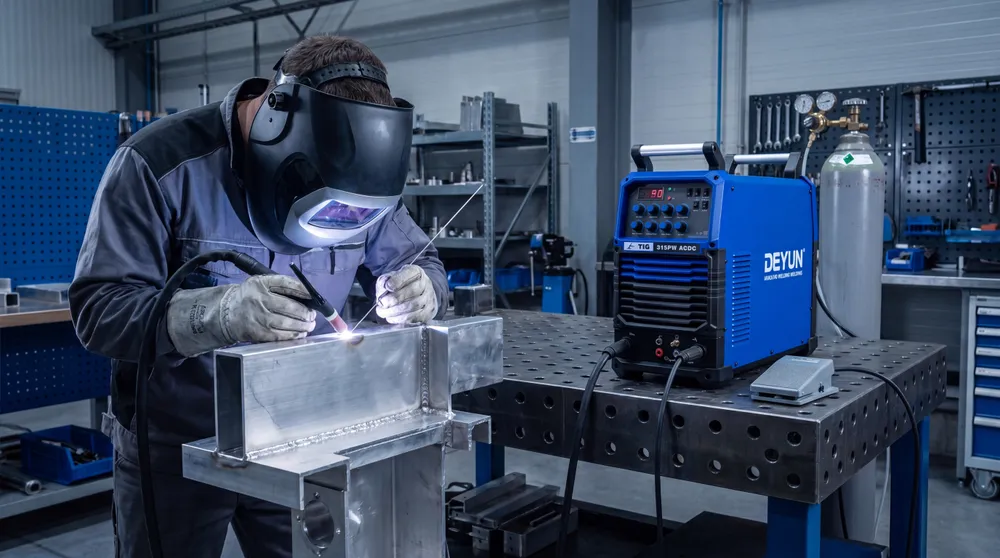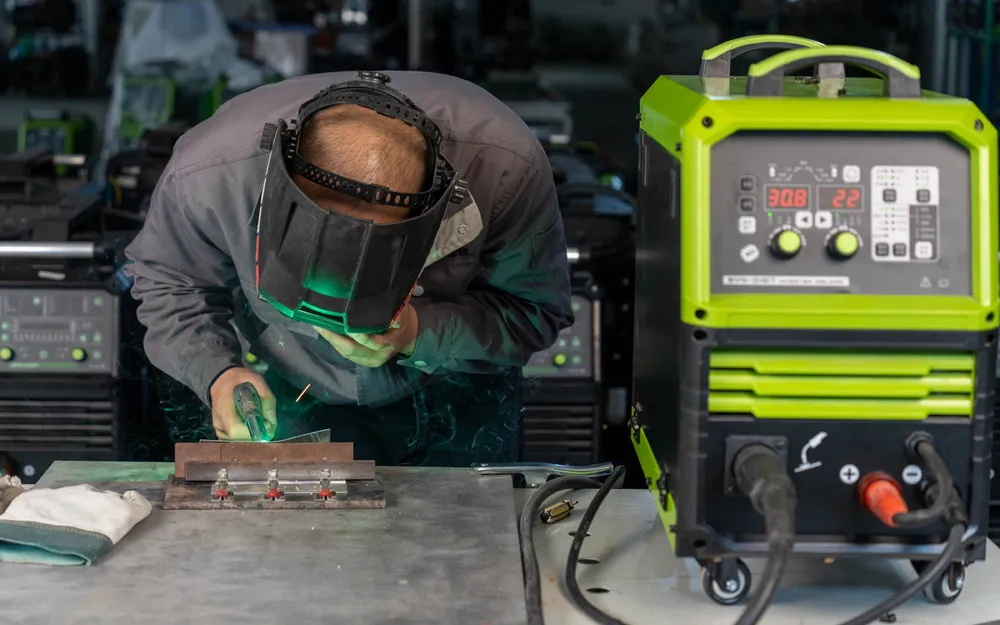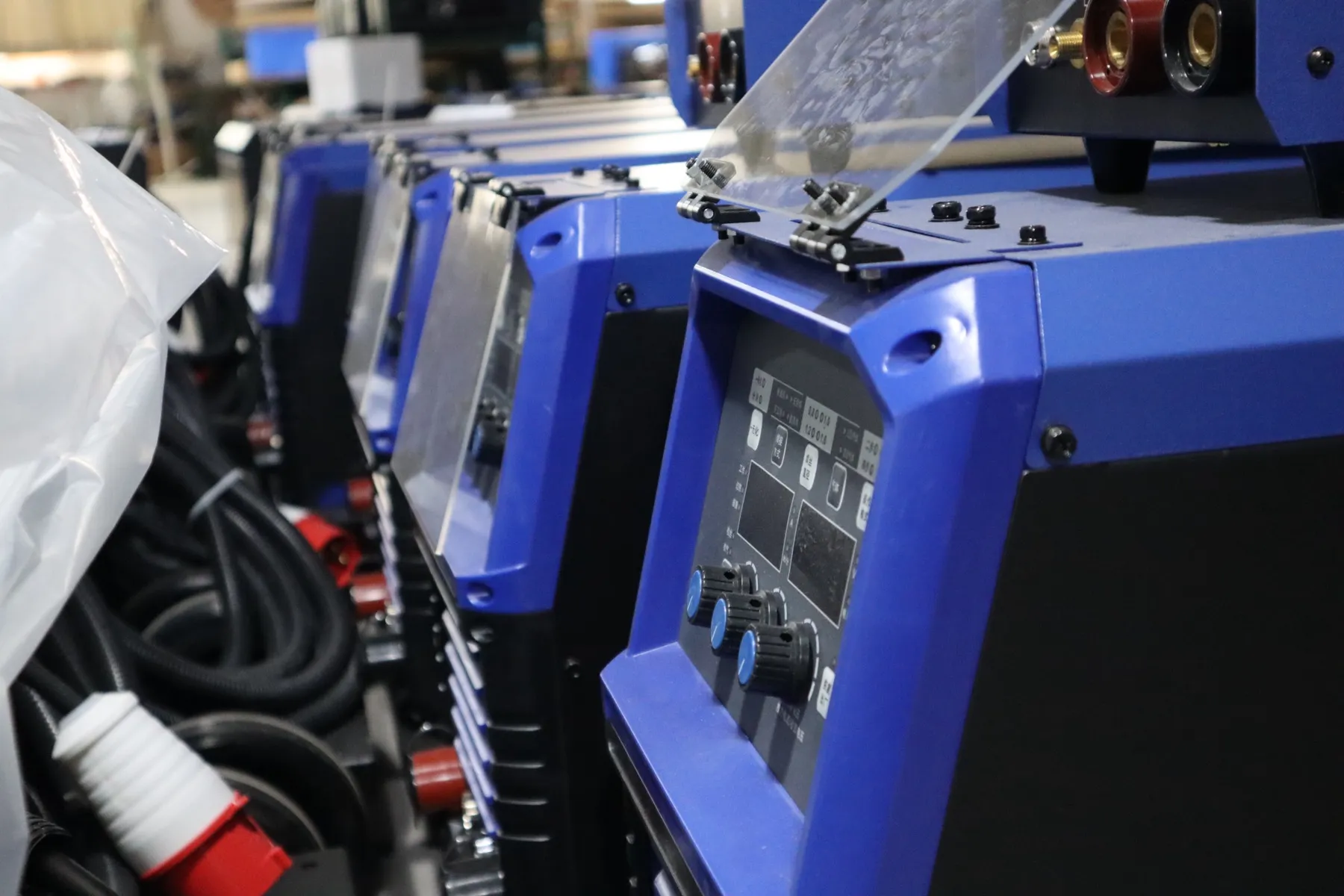
How to Read Deyun Welding Machine Model Names: MIG-500XW, TIG-500 PW and MF-230X
A practical guide to Deyun model codes, output classes, process names, control suffixes and buyer-facing model selection.
Published January 22, 2026
Process selection notes, proof video checklists, distributor guidance, and RFQ tips for practical welding equipment decisions.
A practical guide to Deyun model codes, output classes, process names, control suffixes and buyer-facing model selection.
Published January 22, 2026
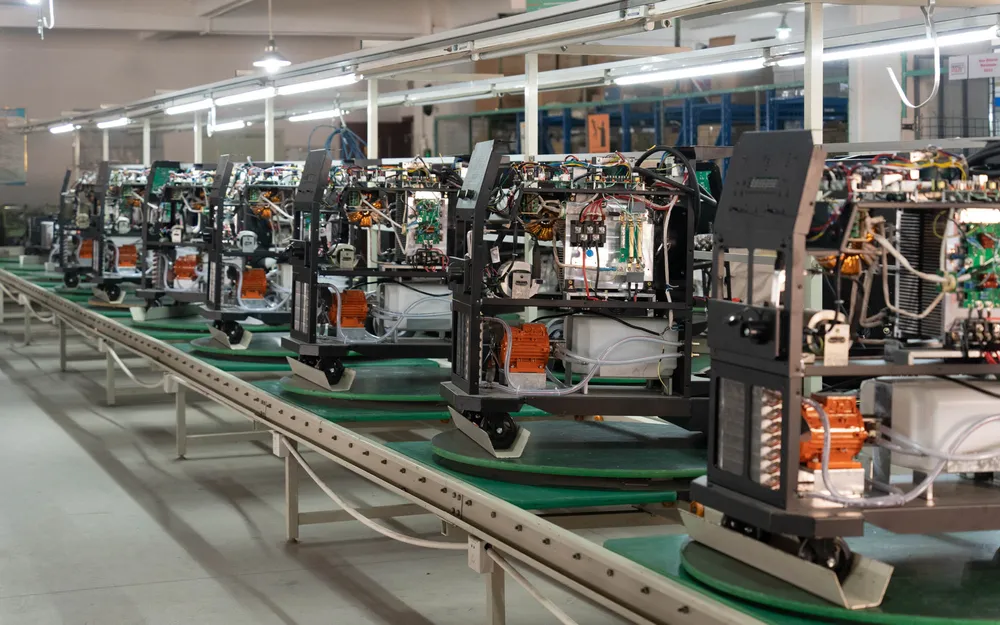
Blog topics are planned around product selection, proof review, RFQ preparation and distributor evaluation.
Explore buyer guides, process explanations, channel notes, and document checklists connected to the DEYUN product path.
A practical distributor framework for recommending MIG/MAG welders by material, workload, input power, cooling, feeder structure and control style.
Maximum current tells buyers how high a machine can go, but duty cycle shows how much real welding work it can carry.
A practical comparison of TIG and pulse MIG for aluminum welding, including appearance, production speed, operator skill and application fit.
LCD control matters when buyers need repeatable settings, finer parameter control, pulse-mode switching and more controlled production welding.
A practical guide for matching MIG/MAG output class to material thickness, workload, input power, duty cycle and cooling needs.
Before comparing 230A, 280A, 350A or 500A welding machines, buyers should confirm voltage, phase, frequency and real worksite power first.
A practical way for buyers to start from material, thickness, weld result, and production use before comparing welding machine models.
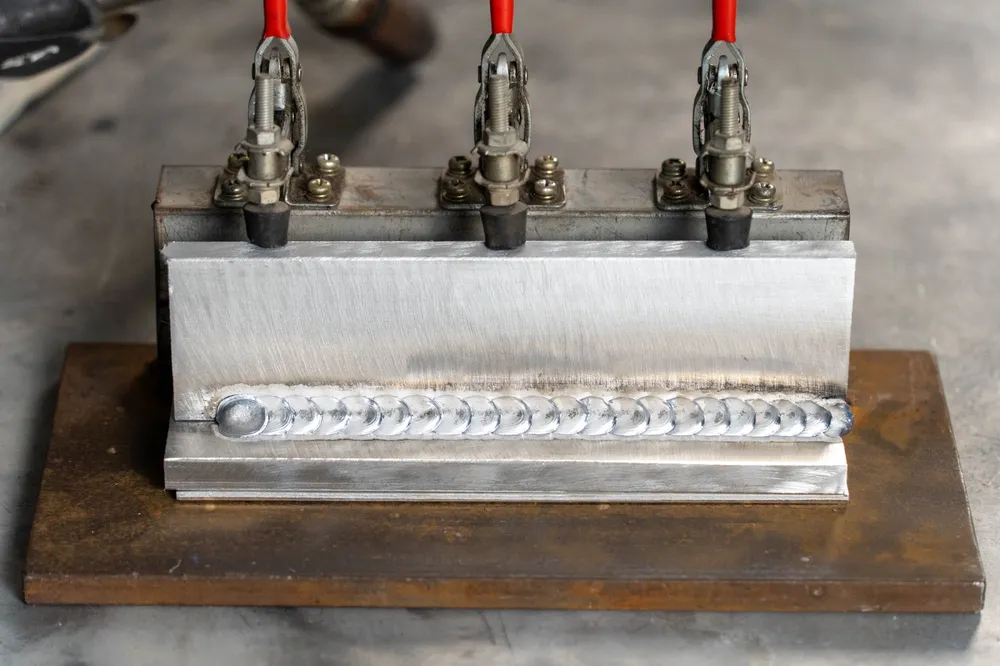
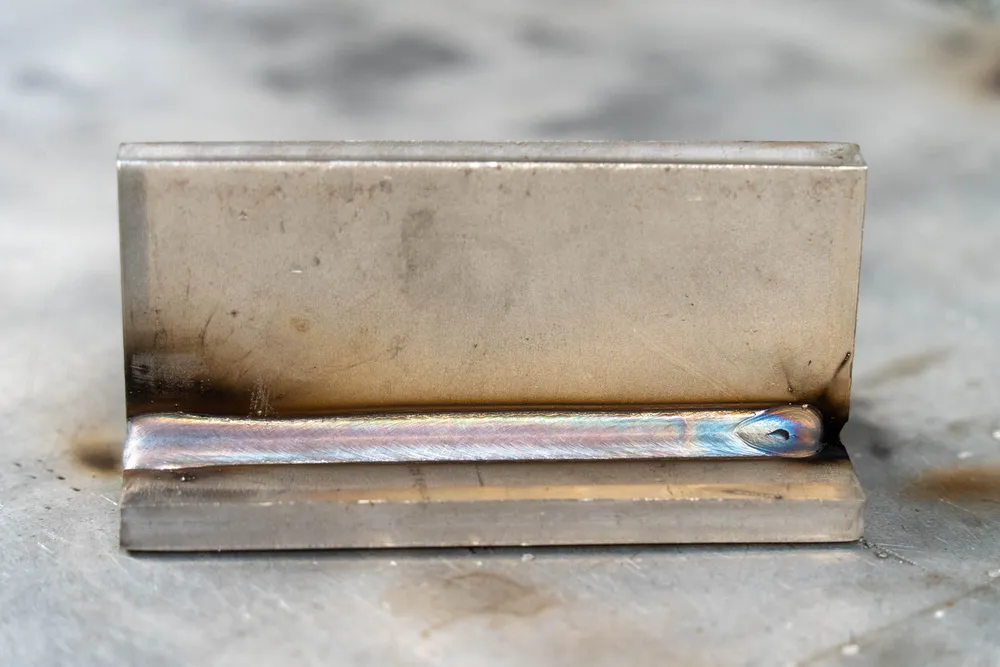
A useful weld proof video should show process, model, material, thickness, parameters, and weld result clearly enough for a buyer to continue the technical conversation.
Pulse welding can support more controlled transfer, but buyers should connect the process to real material, thickness, operator skill, and production needs.
Low-spatter welding is not only about a cleaner bead. Buyers should verify cleanup time, grinding work, rework risk, and proof details before treating it as a cost-saving claim.
A welding equipment line works best when the distributor understands local users, service expectations, price position, and the proof needed for a serious product discussion.
A better RFQ includes process, material, thickness, input power, quantity, documents needed, and proof videos the buyer has already reviewed.