Pulse is a process decision
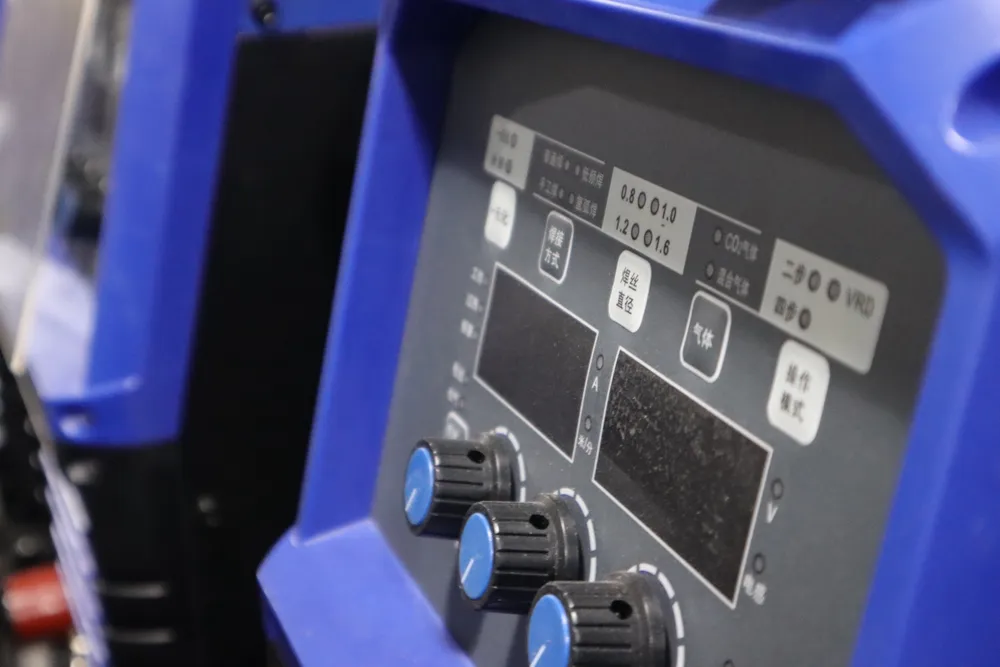
Pulsed MIG/MAG is often discussed as a feature. For buyers, it should be treated as a process decision. The important question is not whether the panel has a pulse setting. The important question is whether pulse helps the user get the weld result they need.
Pulse can support more controlled metal transfer and heat input when the machine, wire, gas, and operator setup are matched correctly. It can be valuable when the buyer needs a more controlled process than a basic MIG/MAG setup can provide.
Where pulse can help
Aluminum and sensitive materials
Pulse control can help when the buyer needs a more controlled weld on aluminum or other applications where heat and arc stability matter.
Cleaner weld appearance
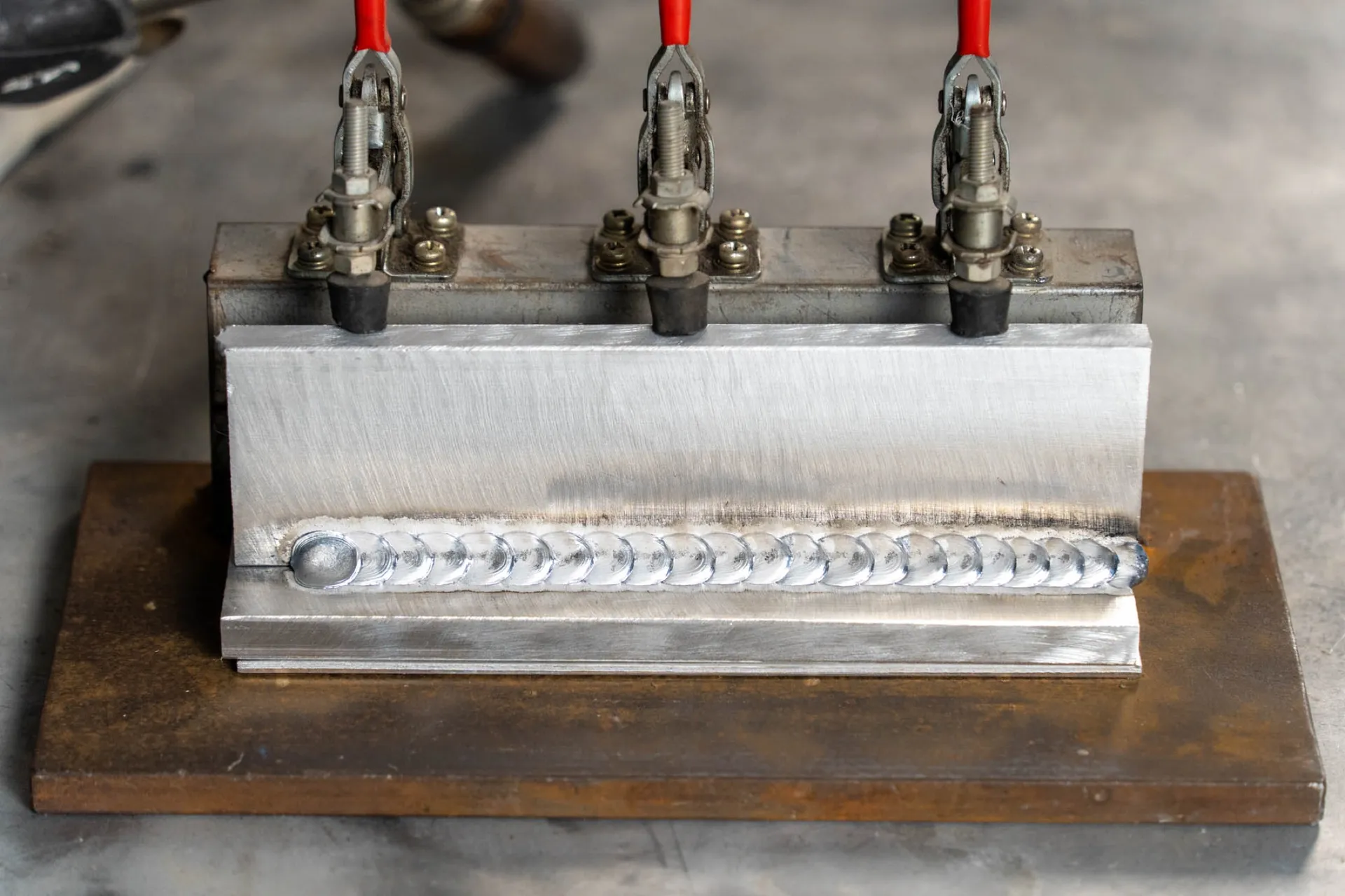
When spatter level and bead appearance are important, pulsed MIG/MAG may help improve the result compared with a less controlled setup. The buyer should still verify the result with the real material and thickness range.
Wider process flexibility
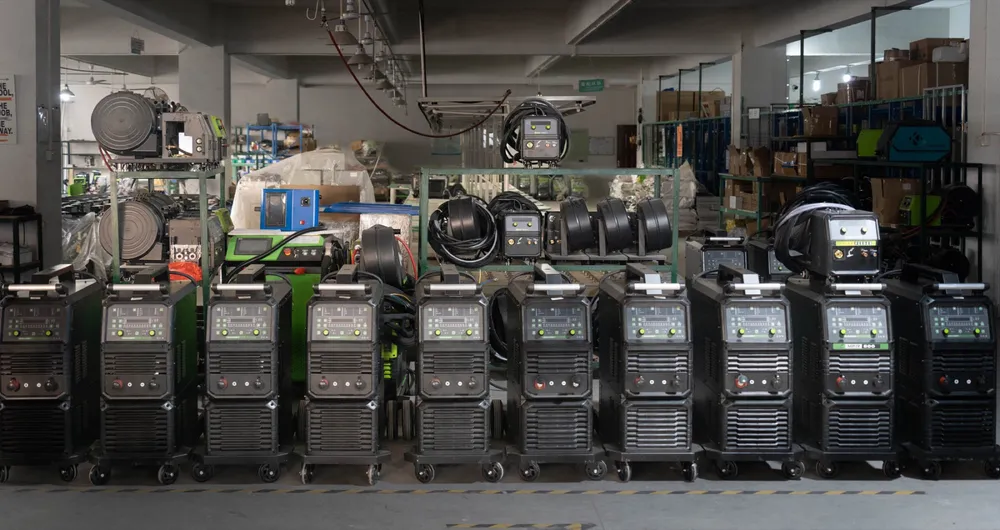
Distributors often need a machine that can cover several customer types. Pulse capability can make a product line easier to position across repair, fabrication, and workshop use when the application fit is clear.
What buyers should check first
Material and thickness
Ask for the material and thickness range that matters most. Do not judge pulse only by a best-case demo.
Wire, gas, and accessories
Pulse performance depends on more than the power source. Wire type, shielding gas, torch, feeder, and cooling setup can all affect the result.
Operator environment
The same machine may be used by a trained operator in a demo and by a general workshop user in daily work. Buyers should ask how easy the setup is to repeat.
Real weld proof
A product claim is stronger when it is connected to a real weld video. When available, the proof should show what was welded and what result was achieved.
Standard MIG/MAG still has a role
Pulse is not always required. General MIG/MAG machines can be the right choice for many steel fabrication and repair applications, especially where the market needs simple operation and practical cost.
The right answer depends on the job, the price position, and the distributor’s customer base.
The best next step
If you are comparing pulsed MIG/MAG and standard MIG/MAG, start with the process page, then watch related proof videos. After that, send an RFQ with material, thickness, power requirement, target price range, and the type of customer you serve.