February 9, 2026
220V vs 380V Welders: What Buyers Should Check First
Before comparing 230A, 280A, 350A or 500A welding machines, buyers should confirm voltage, phase, frequency and real worksite power first.
Start from your welding process
Verify before inquiry
Filter real weld tests by process and model
Manufacturing, checks, tuning, and export-ready details
Catalogs, spec sheets, and support documents
Buyer guides, process notes, and RFQ resources
Common buyer questions before technical discussion
Ask for manuals, test records, or certificates
Send your welding equipment requirements to our team.
Choose language
Български (Bulgarian) BG Українська (Ukrainian) UK Русский (Russian) RU Беларуская (Belarusian) BE Hrvatski (Croatian) HR Српски (Serbian) SR Bosanski (Bosnian) BS Slovenščina (Slovenian) SL Ελληνικά (Greek) EL Türkçe (Turkish) TR Polski (Polish) PL Română (Romanian) RO Čeština (Czech) CS Magyar (Hungarian) HU Slovenčina (Slovak) SKA practical guide for matching MIG/MAG output class to material thickness, workload, input power, duty cycle and cooling needs.
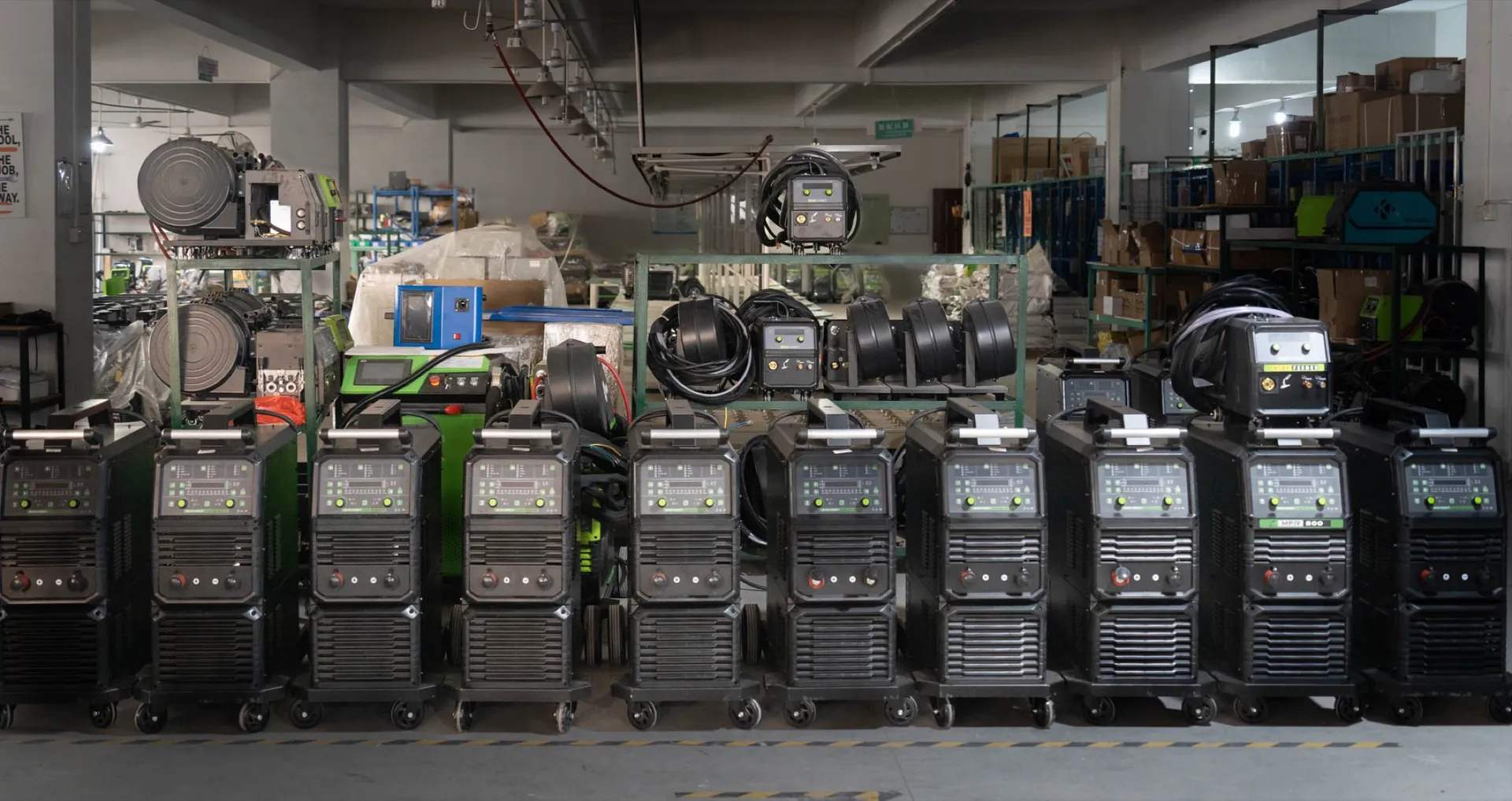
A practical guide for matching MIG/MAG output class to material thickness, workload, input power, duty cycle and cooling needs.
Choosing between a 280A, 350A and 500A MIG/MAG welder is not just about picking the biggest number.
It is about matching the machine to the real job.
A small workshop may need a large machine if it welds thick material or runs continuously. A large factory may not need a 500A machine if it only welds thin material intermittently.
The right question is not:
How big is the workshop?
The right question is:
What material, thickness, workload and input power does the welding job require?
The output class helps buyers compare machine size and capability.
| Output class | Typical role |
|---|---|
| 220A / 230A class | Repair, light fabrication, smaller workshops, thinner materials |
| 280A class | Medium workshop use, more power than compact machines, still below heavy industrial class |
| 350A class | Industrial fabrication, longer welds, thicker material and higher workload |
| 500A class | Heavy fabrication, continuous production, high-duty work and water-cooled setups |
This table is only a starting point. Final selection still depends on duty cycle, input power, cooling method, wire size, material and actual work time.
Workshop size can be misleading.
A small shop may weld thick plate, long seams or heavy parts. In that case, it may need a larger industrial machine.
A large factory may weld only thin sheet metal. If the work is intermittent, it may not need the largest welder.
The work decides the machine.
Ask:
A 280A-class MIG/MAG welder can be a practical choice for medium-duty work.
It may fit:
Choose 280A when the work is beyond light repair, but not yet continuous heavy production.
A 350A-class machine often becomes the industrial middle ground.
It may fit:
350A can be a strong choice when 280A feels limited but 500A would be more capacity than the job requires.
A 500A machine is not only for welding at 500A.
It is useful when the job needs higher thermal capacity, continuous operation, long welds or heavier production pressure.
Consider a 500A-class machine when:
500A can also make sense for thinner material if the work is continuous and the machine needs to run with less thermal stress.
500A is not always the smartest choice.
If the buyer welds thin material occasionally, a 500A machine may be unnecessary. It costs more, takes more space and may require stronger input power.
For garage work, auto repair, small repairs or short welds, a smaller machine may be more practical.
The decision should balance:
| Factor | Why it matters |
|---|---|
| Material thickness | Determines current and penetration needs |
| Workload | Determines machine class and duty-cycle demand |
| Input power | Determines whether the machine can deliver its output |
| Cooling | Determines whether air-cooled or water-cooled setup is needed |
| Budget | Determines how much reserve capacity is practical |
| Mobility | Smaller machines are easier to move |
Cooling method should be selected by workload, not by appearance.
Air-cooled systems are often enough for repair work, short welds and lighter use.
Water-cooled systems are better suited for:
Do not choose water cooling only because it sounds more advanced. Choose it when the job creates enough heat to justify it.
Use this rule:
Material thickness helps decide current. Workload helps decide machine class.
If the material is thin but production is continuous, the machine may still need more capacity.
If the material is thick but the welding is occasional, the selection may depend more on penetration needs than all-day duty.
If the job is both thick and continuous, choose more capacity and consider water cooling.
To recommend the right output class, send:
This allows the supplier to recommend a machine by real application, not just by model number.
280A, 350A and 500A machines are not just different numbers. They represent different workload levels.
Choose too small, and the machine may struggle under real production pressure.
Choose too large, and you may pay for capacity you do not need.
The right welder is the one that fits the material, workload, input power and duty cycle of the job.
Keep learning with more stories from our team.
Before comparing 230A, 280A, 350A or 500A welding machines, buyers should confirm voltage, phase, frequency and real worksite power first.
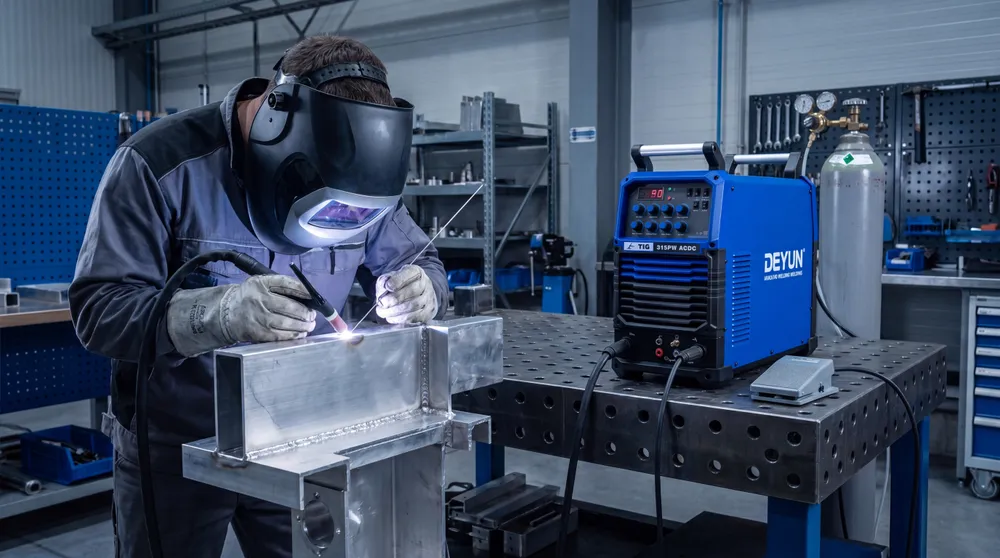
A practical way for buyers to start from material, thickness, weld result, and production use before comparing welding machine models.