Choose pulse MIG when
- Aluminum welds are repetitive or long enough for throughput to matter.
- The shop wants continuous wire feeding with better heat and transfer control.
- The supplier can prove the result on the buyer's real material and setup.
Aluminum Buyer Route / Pulsed MIG
A buyer route for welding-equipment distributors evaluating an aluminum-capable pulse MIG line for the fabrication workshops they serve. Start with the job, input power, wire path, production load and service plan—then choose the machine.
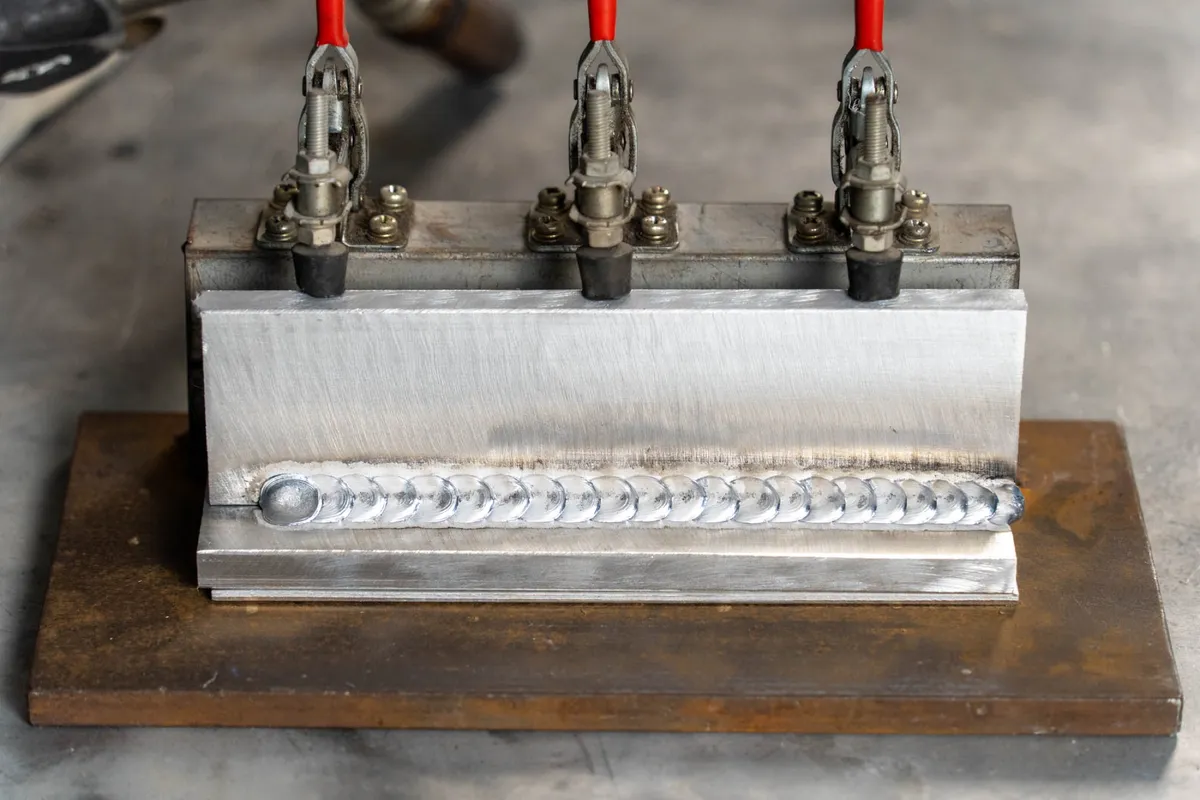
Final process and parameter selection must be validated on the buyer's actual material, joint and production conditions.
Six inputs before model selection
Material
Aluminum grade if known, plus the wire alloy and diameter the shop expects to use.
Working range
Real material-thickness range and joint types—not one best-case sample.
Production load
Repair, batch fabrication or continuous production; weld length and shift pattern.
Site power
Country, input voltage, phase and any generator or grid limitations.
Machine setup
Current class, compact or external feeder, air or water cooling, LCD or standard control.
Proof required
Weld video, material and settings context, spec sheet, included accessories and document status.
Related pages
10
Model options
20
Selection route
Process, product page, proof, RFQ
Next step
Compare products, then send RFQ.
Pulsed MIG Model Routes
MIG-500X
LCD Double-Pulse MIG/MAG Welders
500A
Air-Cooled / Water-Cooled
LCD
Aluminum Welding, Carbon Steel, Stainless Steel
MIG-500
Double-Pulse MIG/MAG Welders
500A
Air-Cooled / Water-Cooled
No LCD
Aluminum Welding, Carbon Steel, Stainless Steel
MIG-500E
Economy Double-Pulse MIG/MAG Welders
500A
Air-Cooled / Water-Cooled
No LCD
Aluminum Welding, Carbon Steel, Stainless Steel
MIG-350X
LCD Double-Pulse MIG/MAG Welders
350A
Air-Cooled / Water-Cooled
LCD
Aluminum Welding, Carbon Steel, Stainless Steel
MIG-350
Double-Pulse MIG/MAG Welders
350A
Air-Cooled / Water-Cooled
No LCD
Aluminum Welding, Carbon Steel, Stainless Steel
MIG-350E
Economy Double-Pulse MIG/MAG Welders
350A
Air-Cooled / Water-Cooled
No LCD
Aluminum Welding, Carbon Steel, Stainless Steel
MIG-280X
LCD Double-Pulse MIG/MAG Welders
250A
Air-Cooled
LCD
Aluminum Welding, Carbon Steel, Stainless Steel
MIG-280
Double-Pulse MIG/MAG Welders
280A
Air-Cooled
No LCD
Aluminum Welding, Carbon Steel, Stainless Steel
MIG-230
Double-Pulse MIG/MAG Welders
230A
Air-Cooled
No LCD
Aluminum Welding, Carbon Steel, Stainless Steel
MIG-200
Double-Pulse MIG/MAG Welders
160A
Air-Cooled
No LCD
Aluminum Welding, Carbon Steel, Stainless Steel
Process Demo Videos
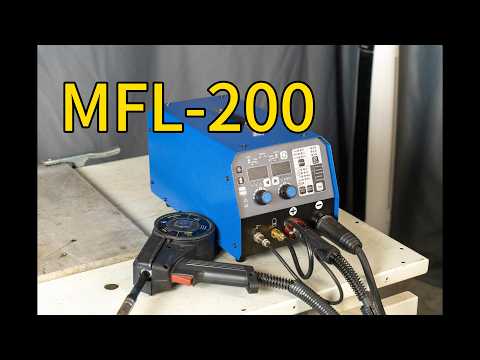
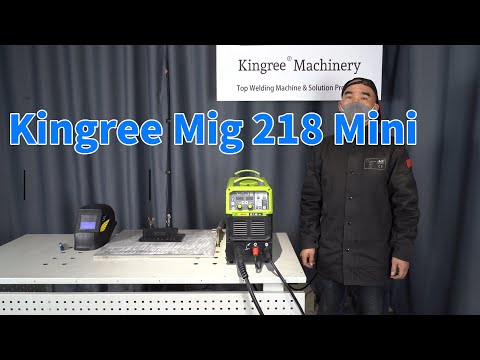
These videos are useful for visual review of operation, arc behavior and weld appearance. Exact welding parameters should be confirmed during RFQ.

Open on YouTube
double pulse MIG / aluminum / stainless steel / carbon steel
Workshop demo video for buyer visual review.
Open on YouTube
double pulse MIG spool gun / aluminum / thin sheet metal
Workshop demo video for buyer visual review.

Open on YouTube
double pulse MIG / aluminum / stainless steel / carbon steel
Workshop demo video for buyer visual review.
Open on YouTube
double pulse MIG / aluminum / stainless steel / carbon steel
Workshop demo video for buyer visual review.
Exact model route
Current public model names, current class, feeder, cooling and control branch.
Real weld proof
A reviewed video or sample tied to material and visible result; request missing settings before relying on it.
Usable documents
Current spec sheet and document-status list. Market compliance must be confirmed for the destination country.
Package boundary
MIG torch, earth clamp, wire liner and feed roll are standard; the gas meter is optional.
Service path
Ask who handles diagnosis, parts, repair modules and turnaround before a trial order.
Process FAQ
Yes, when the machine, wire path, wire alloy, shielding gas and parameters match the aluminum job. Pulse is not a substitute for material preparation or a qualified welding procedure.
No. Double pulse is useful when heat-input control and weld appearance justify the added process capability. Basic steel fabrication may be better served by a simpler standard MIG/MAG route.
Compare MIG-500X for the LCD-guided route, MIG-500 for the standard non-LCD route and MIG-500E for the economy route. Cooling, feeder and document needs still have to be confirmed by option.
Send the destination market, customer type, material and thickness range, input power, production load, preferred current class, quantity and the proof or documents needed for the buying decision.
No. Exact limits depend on the specific model, setup and validated parameters. DEYUN should confirm model-specific proof before a buyer publishes or sells a numeric capability claim.
Documents and RFQ
Include material, thickness range, input power, production load, quantity, destination market and the proof you need. DEYUN can then return a model route instead of a generic catalog answer.